
What Is Reef-Inspired Fishing Gear? A 2026 Guide
Table of Contents
- What Reef-Inspired Fishing Gear Actually Means
- Why Reef-Inspired Design Beats Plain Fishing Apparel
- Fishing Clothing for Sun Protection: What the Labels Tell You
- Quick-Dry Fishing Clothes for Long Days on the Water
- Sustainable Fishing Trousers: What to Look For
- How to Care for Saltwater Fishing Clothes
- Choosing Reef-Inspired Fishing Gear That Fits How You Fish
- Frequently Asked Questions
Last Updated: October 19, 2026
What Reef-Inspired Fishing Gear Actually Means
Reef-inspired fishing gear is performance apparel and accessories whose colours, patterns and design cues are drawn from coral reefs and the marine environments anglers spend their time in, rather than from the high-visibility palettes of traditional fishing clothing. The category is about how the gear looks and how it is built, not about where you fish.
We have noticed a shift in how people talk about their time on the water. The old uniform, a fluoro shirt and a battered hat, still works. But a growing number of anglers want their gear to say something about the places they love. That is the gap Coral & Cord was built to fill: reef-inspired designs, built for adventure, designed for life on the water.
Three things separate reef-inspired gear from a novelty print:
- Design language: coral, sand, seagrass and lagoon tones instead of block neon
- Function first: sun protection, quick-dry fabrics and salt-tolerant construction
- A conservation mindset: durable gear that is bought once and kept, not replaced each season
The design is the hook. The construction is what keeps you wearing it.
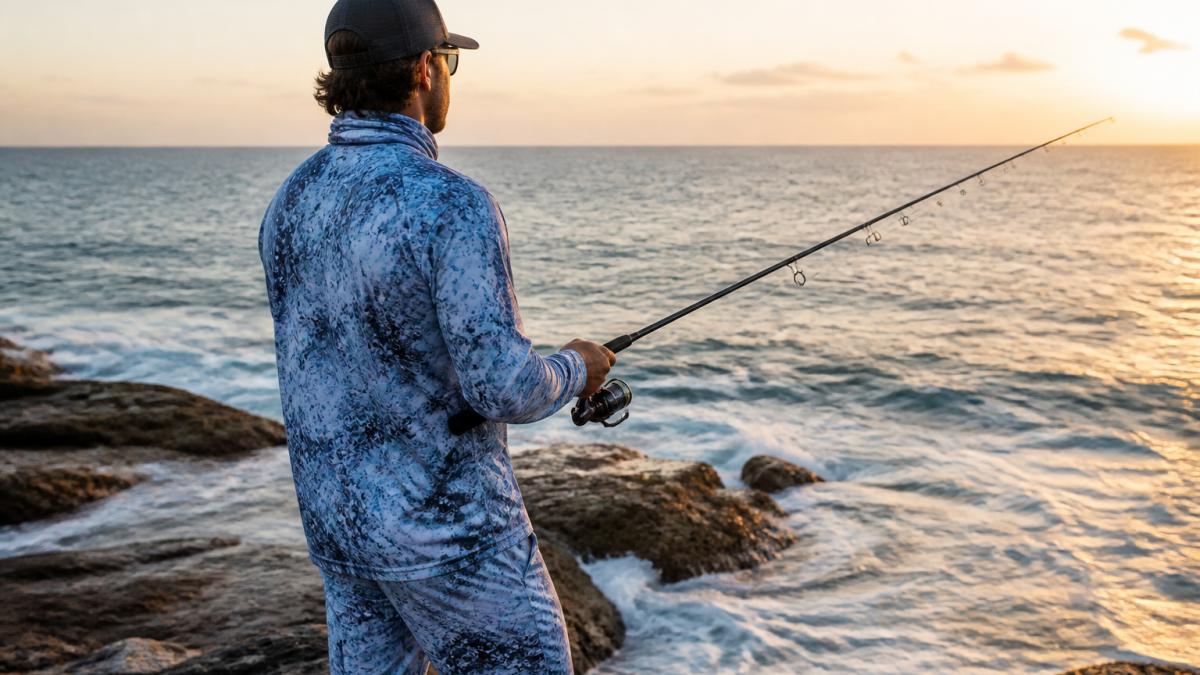
Why Reef-Inspired Design Beats Plain Fishing Apparel
Plain fishing apparel solves one problem: visibility. Reef-inspired design solves that same problem without making you look like a safety marker. The practical difference shows up in three places.
First, versatility. A shirt cut in muted reef tones works on the boat, at the ramp and at the cafe afterwards. You pack less and wear more of what you own.
Second, longevity of taste. Loud prints date fast. Reef palettes borrow from nature, which is why they stay wearable season after season. That matters if you would rather buy well than buy often.
Third, the signal it sends. When your gear reflects the environment you fish, it starts conversations about the reef itself. Many anglers find that a conservation-minded wardrobe is an easy entry point to talking about marine stewardship with mates and juniors.
Fishing Clothing for Sun Protection: What the Labels Tell You
Fishing clothing for sun protection is rated by its UPF, or Ultraviolet Protection Factor, which tells you how much UV radiation passes through the fabric. A UPF 50 rating means roughly one-fiftieth of UV reaches your skin. The Cancer Council's sun protection guidance explains why covering up beats sunscreen alone for long sessions on the water.
Here is what actually matters when you read a label:
- The number, not the marketing: UPF 50+ is the highest practical rating. Anything lower is a compromise.
- Fabric construction: tight weaves block more UV than loose knits. Hold the garment up to the light: if you can see through it easily, UV gets through too.
- Coverage area: a collar, long sleeves and a brim do more than a high rating on a singlet.
- Care instructions: repeated washing and stretching degrade UPF over time, so follow the care label.
Be sceptical of a shirt that claims sun protection but lists no rating. A UPF number must be tested to a standard, and in Australia that testing follows the ARPANSA UV radiation standards. If the label is silent, assume nothing.
Quick-Dry Fishing Clothes for Long Days on the Water
Quick-dry fishing clothes are garments made from synthetic or blended fabrics that move moisture away from the skin and release it fast, so you are not sitting damp after a spray, a splash or a hot session. The benefit is comfort and, in cooler conditions, safety: wet fabric drains heat.
What to look for:
- Fabric content: polyester and nylon blends dry faster than cotton, which holds water and stays heavy.
- Drainage details: mesh panels, vented backs and zip pockets that let water out.
- Seams and stitching: flatlock seams reduce chafing when you are wet and moving.
- Weight: lighter fabrics dry quicker but offer less abrasion resistance. Match the weight to the trip.
A common mistake is buying the lightest shirt available and then discovering it clings the moment it is wet. Mid-weight quick-dry fabric is usually the better all-rounder.
Sustainable Fishing Trousers: What to Look For
Sustainable fishing trousers are built to be repaired and kept, using materials and construction that reduce the need for replacement. Sustainability in apparel is mostly about longevity, so the questions to ask are practical ones.
Check these before you commit:
- Reinforcement where it counts: knees, seat and hems take the abuse. Look for double stitching or panels.
- Repairability: can a torn hem be fixed, or is the whole garment finished in a way that makes repair impossible?
- Material transparency: a brand that can tell you what the fabric is made from and where is easier to trust than one that cannot.
- Fit for movement: trousers that restrict you get left in the cupboard, which is the least sustainable outcome of all.
How to Care for Saltwater Fishing Clothes
Salt is the real enemy of fishing apparel. It stiffens fabric, corrodes zips and quietly shortens the life of anything you wear near the water. Care is simple but it has to be consistent.
Follow this routine:
- Rinse in fresh water after every trip. Cold water, no detergent, inside and out.
- Close all zips and fastenings before washing so they do not snag fabric.
- Wash on a gentle cycle with a mild detergent. Avoid fabric softener, which coats fibres and reduces breathability.
- Air dry in shade. Direct sun degrades fabric and any elastic over time.
- Check zips and seams each season and repair small faults before they spread.
The Australian Maritime Safety Authority's boating safety guidance is worth reading for anyone spending long days on the water, because gear care sits alongside general preparedness.
Choosing Reef-Inspired Fishing Gear That Fits How You Fish
The right gear depends on what you actually do, not what looks good in a photo. Use this as a starting point:
| If you mostly... | Prioritise | Skip |
|---|---|---|
| Fish from a boat in full sun | UPF 50+ long sleeves, brimmed hat | Heavy cotton layers |
| Kayak and wade | Quick-dry mid-weight fabric, flatlock seams | Loose hems that catch water |
| Mix fishing with sailing | Versatile reef-tone pieces that work on and off the water | Single-purpose novelty prints |
| Fish in cool mornings | Layering pieces over a quick-dry base | Lightweight only |
A few honest notes. Reef-inspired gear is not the cheapest option, and it is not trying to be. What you are paying for is design you will keep wearing plus construction that survives salt. If you want one shirt for everything and you fish hard, buy the mid-weight quick-dry piece and rinse it every trip. If you are building a wardrobe, start with sun protection and work outward.
At Coral & Cord, we design around that idea: gear that performs on the water and looks right when you step off it. Join the Tide for launch updates and exclusive launch offers.
Frequently Asked Questions
What does reef-inspired fishing gear mean?
It describes fishing apparel whose designs draw on reef colours, patterns and textures, such as coral tones, water gradients and subtle marine motifs, while still being built for performance on the water. The reef influence is mostly visual, but it often signals a brand that also cares about marine environments. So reef-inspired fishing gear combines a distinctive coastal look with practical features like sun protection, quick-dry fabrics and durable stitching for saltwater use.
Is reef-inspired fishing gear designed for sun protection?
Good reef-inspired gear usually is. Look for a UPF rating on the label, ideally UPF 50+, which blocks most UV radiation. Check that the rating applies to the fabric itself rather than a coating, because fabric-based protection lasts through washing. Long sleeves, a collar and a brimmed hat extend coverage further. Fishing clothing for sun protection works best when it is loose enough to allow airflow while still covering the arms, shoulders and neck during long sessions on open water.
How do you care for fishing apparel exposed to salt water?
Rinse everything in cool fresh water after each trip, because salt crystals abrade fibres and corrode zips and press studs. Wash with a mild detergent, avoid fabric softener, and skip the dryer in favour of line drying in shade. Check pockets for hooks and sinkers first. If you want to know how to care for saltwater fishing clothes properly, treat rinsing as the single most important step, then store gear dry and loosely folded so air can circulate.
Is reef-inspired fishing gear suitable for everyday wear?
Often, yes. Many pieces are cut like casual outdoor shirts and trousers, so they work for the boat ramp, the beach and a coffee stop afterwards. Quick-dry fishing clothes in particular handle heat and humidity well, which makes them comfortable beyond the water. If you want gear that moves between fishing, kayaking and daily wear, choose neutral reef-inspired patterns and check that the fit is relaxed rather than purely technical.
The challenge is not finding fishing gear. It is finding gear you will still want to wear in three seasons, that protects you properly and reflects the places you love. Coral & Cord builds reef-inspired fishing clothing with sun protection, quick-dry construction and durable design for life on the water. Get started with Coral & Cord and gear that works as hard as your days on the reef.