
How to Choose UPF Fishing Apparel: A Practical Guide
Table of Contents
- Why UPF Fishing Apparel Matters for Water-Based Activities
- Understanding UPF Ratings and What They Mean
- How UPF Clothing Works to Block Ultraviolet Rays
- Key Features to Look for in Fishing Sun Shirts
- Selecting the Right UPF 50 Fishing Shirts for Your Needs
- Proper Care and Maintenance of UPF Fishing Clothing
- Testing and Verifying UPF Effectiveness Over Time
- Conclusion
- Frequently Asked Questions
Last Updated: October 19, 2026
Why UPF Fishing Apparel Matters for Water-Based Activities
Spending hours on the water exposes your skin to intense ultraviolet rays. Unlike land-based activities, water reflects UV radiation back onto your skin, doubling your exposure. This is where UPF fishing apparel becomes essential rather than optional.
Most recreational fishers underestimate sun damage until it's too late. Sunburn feels temporary, but UV exposure accumulates over time. Skin damage from years of unprotected fishing trips can lead to serious long-term consequences.
We understand that fishing gear needs to do two things at once: protect your skin and let you move freely. Standard cotton shirts offer almost no UV protection. They also absorb water, weigh you down, and dry slowly in the sun.
UPF fishing apparel solves this problem by combining sun protection with performance features. These garments use specially treated fabrics that block ultraviolet rays whilst keeping you cool and dry. The difference between protected and unprotected skin becomes obvious after a single day on the water.
Understanding UPF Ratings and What They Mean
UPF stands for Ultraviolet Protection Factor. It measures how effectively a fabric blocks both UVA and UVB rays. The higher the UPF number, the more UV radiation the fabric stops.
Here's how UPF ratings work in practice:
- UPF 15-24: Blocks 93-96% of UV rays
- UPF 25-39: Blocks 96-97% of UV rays
- UPF 40-50+: Blocks 97-98% of UV rays
The difference between UPF 15 and UPF 50 might seem small in percentage terms, but on your skin it's significant. UPF 50 provides roughly twice the protection of UPF 15. For extended water exposure, this matters.
When choosing UPF 50 fishing shirts, you're selecting the highest standard available. This rating is ideal for people who spend several hours daily on the water. It's particularly important for those with sensitive skin or a family history of skin cancer.
Many people assume all UPF clothing performs equally. That's not accurate. Fabric construction, dye type, and weave density all affect how well a garment protects. A loose weave offers less protection than a tight one, even at the same UPF rating.
How UPF Clothing Works to Block Ultraviolet Rays
UPF fabrics protect you through several mechanisms working together. The first is physical blocking. Tightly woven fabrics create a barrier that UV rays struggle to penetrate.
The second mechanism involves absorption. Many UPF garments use special chemical treatments or dyes that absorb UV energy before it reaches your skin. These treatments are built into the fabric during manufacturing, not applied afterward.
Colour matters too. Darker fabrics generally offer better UV protection than light colours. Black, navy, and deep greens block more rays than white or pale yellow. However, modern UPF technology means even light-coloured garments can achieve high protection ratings through fabric construction alone.
UPF fishing apparel typically uses one of two approaches:
- Synthetic fabrics like polyester or nylon with tight weaves
- Treated natural fibres like cotton treated with UV-absorbing compounds
Synthetic options dry faster and maintain their UPF rating through repeated washing. This is why most performance fishing shirts use polyester blends rather than pure cotton.
The fit also affects protection. Loose, flowing garments allow air circulation but create gaps where rays can penetrate. Snug-fitting shirts provide better coverage. The best fishing apparel balances protection with comfort, tight enough to protect, loose enough to move.
Key Features to Look for in Fishing Sun Shirts
Beyond UPF rating, several features distinguish quality fishing shirts from basic alternatives.
Moisture-wicking technology pulls sweat away from your skin. This keeps you dry and comfortable during physical activity. Look for fabrics that dry within 2-3 hours of being wrung out. Cotton fails this test dramatically, it stays wet for hours.
Breathability prevents overheating whilst you're working. A shirt that blocks sun but traps heat becomes unbearable in warm weather. Quality fishing sun shirt features include mesh panels or open weaves that allow air flow without sacrificing protection.
Durability matters because fishing is tough on gear. Seams experience constant stress from casting motions and movement. Reinforced stitching and high-quality thread prevent seams from splitting after a few seasons. Check that collar and armhole seams are double-stitched or reinforced.
Stretch fabric gives you freedom to cast, reel, and move without restriction. Look for garments with elastane or spandex content, typically 5-10% of the fabric blend. This small amount adds significant mobility.
Collar design affects both comfort and protection. A tall collar or hood protects your neck and ears, areas that burn easily. Some fishing shirts include a fold-down hood that doesn't interfere with your fishing line or casting.
Pocket placement and design should accommodate what you actually carry. Secure pockets with zips or Velcro prevent losing tackle boxes, phones, or sunscreen. Pockets positioned away from your casting arm keep gear out of your way.
Selecting the Right UPF 50 Fishing Shirts for Your Needs
Choosing the right shirt starts with understanding your fishing style and environment. A person fishing calm lakes faces different conditions than someone on open ocean or fast rivers.
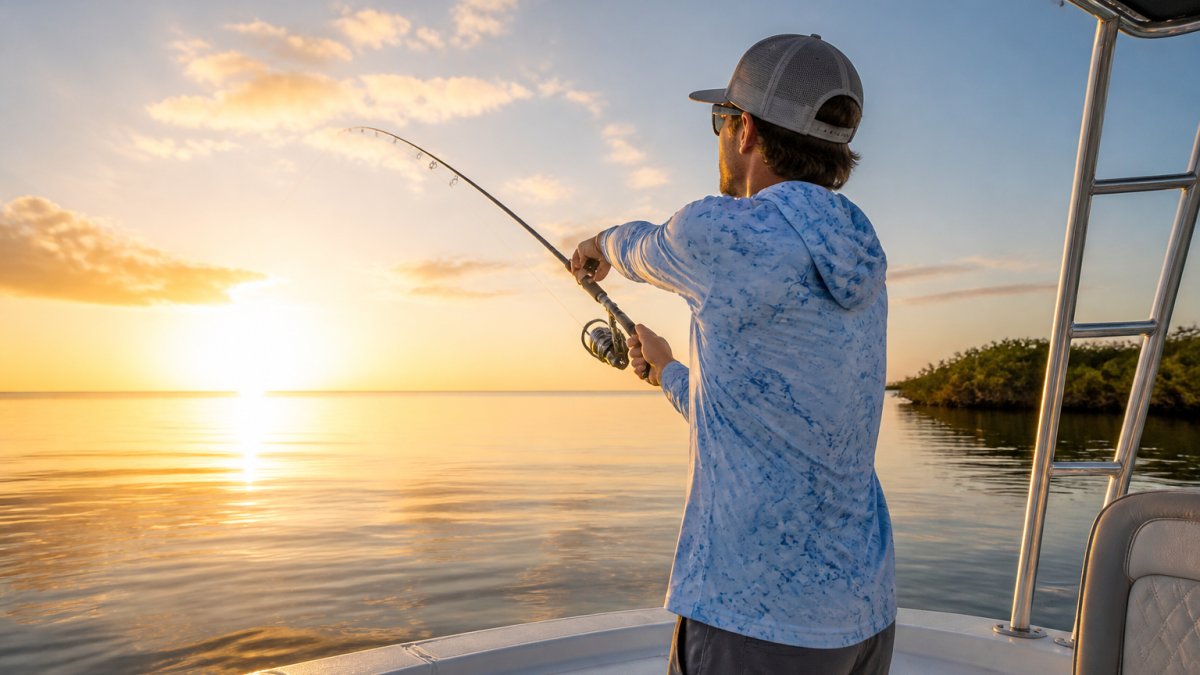
Consider your typical water temperature. Cold water fishing requires thicker, more insulating fabrics. Warm water fishing demands lightweight, highly breathable options. Some people fish year-round in varied conditions, which means owning multiple shirts for different seasons.
Your activity level matters too. Active casting and constant movement require maximum stretch and mobility. Sitting still whilst waiting for bites means protection matters more than flexibility.
UPF fishing apparel varies significantly in fit. Some brands run tight, others loose. Measure your chest and compare it to sizing charts rather than guessing. A shirt that's too tight restricts movement. One that's too loose creates gaps where sun reaches your skin.
The colour choice involves trade-offs. Darker colours protect better but absorb more heat. Light colours reflect heat but offer less protection. Neutral tones like khaki or light grey offer a middle ground. Reef-inspired designs at Coral & Cord combine protection with aesthetic appeal, you don't have to sacrifice style for function.
Sleeve length affects how much skin you expose. Long sleeves provide maximum protection but can feel hot. Short sleeves offer mobility but leave your shoulders and upper arms exposed. Many serious fishers choose long sleeves and accept the heat trade-off for the protection benefit.
Proper Care and Maintenance of UPF Fishing Clothing
How you care for your UPF fishing clothing determines how long the protection lasts. Improper washing and storage degrade UPF ratings faster than actual use.
Wash your fishing shirt after every outing if possible. Salt water, sunscreen residue, and chlorine all break down UPF treatments over time. Fresh water rinses immediately after fishing prevent these substances from setting into the fabric.
Use cold water and mild detergent. Hot water can damage the fabric and degrade UPF treatments. Avoid bleach entirely, it destroys UV-protective compounds. Wash with similar colours to prevent dye transfer.
Dry your shirt naturally when possible. Tumble drying generates heat that damages synthetic fabrics and UPF treatments. Line drying preserves both the fabric integrity and the protective properties. If you must use a dryer, use the lowest heat setting.
Store your fishing shirts in a cool, dry place away from direct sunlight. UV exposure degrades fabrics even when they're not being worn. A dark wardrobe is ideal. Avoid damp storage areas where mould can develop.
Check your shirts regularly for damage. Small tears or loose seams can be repaired quickly before they become major problems. Most fishing outfitters offer repair services if you're not comfortable sewing yourself.
Testing and Verifying UPF Effectiveness Over Time
You can't see UV rays, but you can test whether your UPF fishing apparel still protects effectively. Several methods help verify that your gear hasn't lost its protective properties.
The most straightforward test involves sun exposure comparison. Wear your fishing shirt on one arm and leave the other exposed (with sunscreen). After a full day on the water, compare the skin tone. Your protected arm should show noticeably less redness or tan than the exposed side.
Look for signs that your shirt's protection is fading. If you're getting sunburnt through the fabric, or if the shirt feels thinner and less sturdy, it's time to replace it. Fading colour doesn't necessarily mean lost protection, but it often correlates with fabric degradation.
Professional UPF testing labs can measure your garment's actual protection. These tests cost more than most people want to spend, but they're available if you're concerned about specific pieces. Some universities and textile research facilities offer this service.
Track your sun exposure patterns. If you're getting burned in areas your shirt should cover, the fabric may have developed weak spots. Seams sometimes separate slightly, creating gaps. Inspect your shirt carefully if you notice unexpected sunburn.
Many manufacturers include care instructions specifically designed to preserve UPF ratings. Follow these instructions exactly. Washing in hot water or using certain detergents can reduce protection by 20-30% in a single wash cycle.
Conclusion
Choosing the right UPF fishing apparel protects your skin from cumulative UV damage whilst keeping you comfortable on the water. The investment in quality gear pays dividends across years of fishing trips. We've designed our reef-inspired fishing shirts to deliver both protection and style, you don't have to choose between looking good and staying safe.
Join the Tide and discover fishing apparel built for adventure. Our UPF 50 fishing shirts feature breathable synthetic fabrics, reinforced seams, and designs that reflect your passion for life on the water. Access exclusive launch offers when you sign up for updates.
Frequently Asked Questions
What UPF rating should I look for in fishing clothes?
Look for UPF 50+ rated fishing apparel for maximum protection. UPF 50 blocks approximately 98% of ultraviolet radiation, while UPF 50+ blocks 99% or more. For long hours on the water, UPF 50+ provides the best defence against sun damage and skin cancer risk. Check the label for a certified UPF rating rather than relying on colour or fabric type alone.
How does UPF clothing work to protect skin from UV rays?
UPF clothing works through a combination of tight weaves and specialised fibres that reflect, absorb, or scatter ultraviolet radiation before it reaches your skin. Denser fabrics block more UV rays, and some materials include chemical treatments that enhance UV absorption. The tighter the weave and the thicker the material, the more effective the protection. Wet fabric still provides significant protection, though effectiveness may reduce slightly compared to dry fabric.
Does washing affect the UPF rating of fishing sun shirts?
Proper care maintains UPF effectiveness over time. Wash in cool water with mild detergent, avoid bleach and fabric softeners, and dry in shade rather than direct sunlight. Most quality UPF fishing shirts retain their rating through regular washing if you follow care instructions. However, repeated washing at high temperatures or exposure to chlorine can gradually reduce effectiveness. Check your shirt's care label for specific guidance to preserve its protective properties.
What features matter most when choosing fishing sun shirt features?
Prioritise a tight weave, UPF 50+ rating, moisture-wicking ability, and a comfortable fit that allows movement. Look for shirts with extended coverage including long sleeves and a collar or hood. Flatlock seams prevent chafing during long days on the water. Breathable fabric keeps you cool in warm conditions, whilst durable construction withstands repeated washing and saltwater exposure. Consider reef-inspired designs that reflect your personal style without compromising functionality.