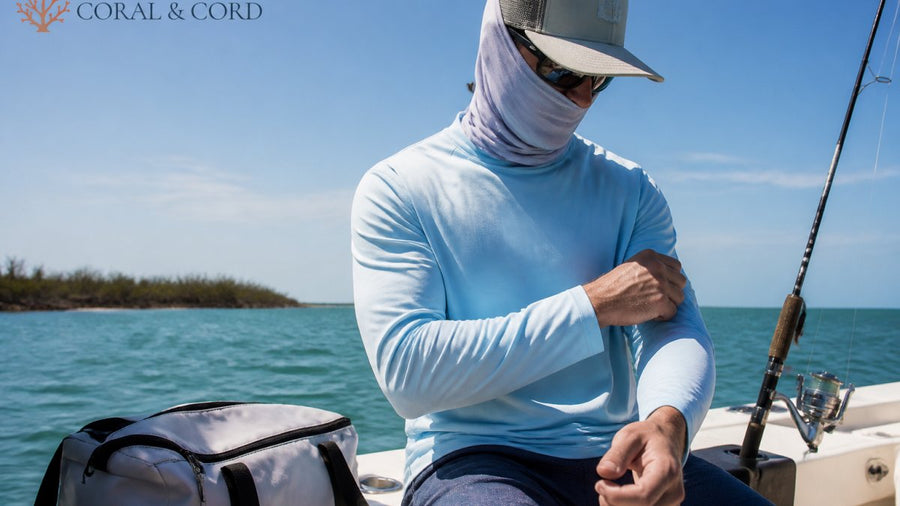
Fishing apparel for sensitive skin: A guide
Table of Contents
- Why fishing apparel matters for sensitive skin
- Understanding UPF fishing shirts and sun protection
- Best fabric for sensitive skin clothing
- Key features to look for in fishing apparel
- How to prevent chafing in fishing clothes
- How to wash UPF clothing properly
- Choosing apparel for different water activities
- Frequently Asked Questions
Last Updated: October 11, 2026
Why fishing apparel matters for sensitive skin
Spending hours on the water exposes your skin to intense UV rays, salt spray, and wind. If you have sensitive skin, choosing the wrong fishing apparel sensitive skin can turn a peaceful fishing trip into an uncomfortable ordeal. Itching, redness, and irritation can ruin your day before you even cast a line.
The right fishing apparel for sensitive skin does more than protect. It lets you focus on what matters: the catch, the scenery, and the freedom of being on the water. We understand that fishing gear needs to work as hard as you do, without compromising comfort or style.
Fishing apparel sensitive skin requires specific features that standard fishing clothes simply don't offer. You need fabric that won't irritate, seams that won't chafe, and UV protection that actually lasts through washing and saltwater exposure. This guide walks you through exactly what to look for.
Understanding UPF fishing shirts and sun protection
UPF stands for Ultraviolet Protection Factor. It measures how much ultraviolet radiation a fabric blocks before it reaches your skin. A UPF 50+ shirt allows only 1/50th of the sun's UV rays to penetrate, that's serious protection (Sun protection | National Cancer Prevention Policy Skin Cancer Statistics and Issues).
What UPF ratings mean
UPF ratings work like this: UPF 15 blocks roughly 93% of UV rays. UPF 25 blocks about 96%. UPF 50+ blocks 97% or more. For sensitive skin, aim for UPF 50+ whenever possible. The higher the rating, the more your skin stays protected during long days on the water.
Check the label carefully. Some manufacturers claim UPF protection without proper testing. Look for certifications from recognised testing bodies to ensure the rating is legitimate.
How UPF differs from sunscreen
Sunscreen is chemical protection you apply and reapply. UPF clothing is built into the fabric itself. You don't need to remember to reapply UPF apparel, and it won't wash off in saltwater or sweat.
UPF clothing also covers more surface area than sunscreen alone. A long-sleeved UPF shirt protects your arms, shoulders, and back continuously. Sunscreen on exposed skin still requires frequent reapplication, every two hours or after swimming.
The best approach combines both. Wear UPF apparel for your torso and limbs, then use sunscreen on your face, ears, and any exposed areas. This layered strategy gives sensitive skin maximum protection.
Best fabric for sensitive skin clothing
Not all fabrics are created equal when it comes to sensitive skin. Some materials trap heat and moisture, creating conditions for irritation. Others have a tight weave that feels scratchy. The right fabric breathes, moves with your body, and feels gentle against your skin.
Merino wool and synthetic blends
Merino wool is naturally antimicrobial and moisture-wicking. It pulls sweat away from your skin and dries quickly. Unlike regular wool, merino is fine enough not to itch, even on sensitive skin. It regulates temperature in both warm and cool conditions.
Synthetic blends often use nylon or polyester combined with elastane. These materials offer excellent stretch, durability, and UV protection. The key is the blend ratio. Look for fabrics that combine synthetic durability with natural fibres for comfort.
Many modern fishing apparel brands use hybrid fabrics that combine merino wool with recycled synthetics. This approach gives you the best of both worlds: natural softness and technical performance.
What to avoid
Avoid 100% polyester fabrics that lack breathability. These trap heat and moisture, creating irritation. Skip anything with rough seams or visible stitching against your skin.
Cotton sounds comfortable but absorbs moisture and dries slowly. When wet cotton sits against your skin for hours, it promotes chafing and irritation. Avoid pure cotton for fishing apparel.
Synthetic fabrics with a loose weave can feel scratchy. Read reviews and check product descriptions. A tight, smooth weave feels better against sensitive skin than a loose one.
Key features to look for in fishing apparel
Beyond fabric type, construction details determine whether clothing will irritate sensitive skin or feel comfortable all day.
Seams and construction
Flat-lock seams sit flush against your skin rather than creating raised ridges. Standard seams create pressure points that chafe during repetitive arm movements. Flat-lock seams distribute pressure evenly and won't dig in.
Look for seams positioned away from high-friction areas like underarms and shoulders. The best fishing apparel places seams along the sides of the torso where movement is less intense.
Double-stitched seams last longer and hold better through washing. Single-stitched seams unravel faster and can leave loose threads that irritate skin.
Tags and labels
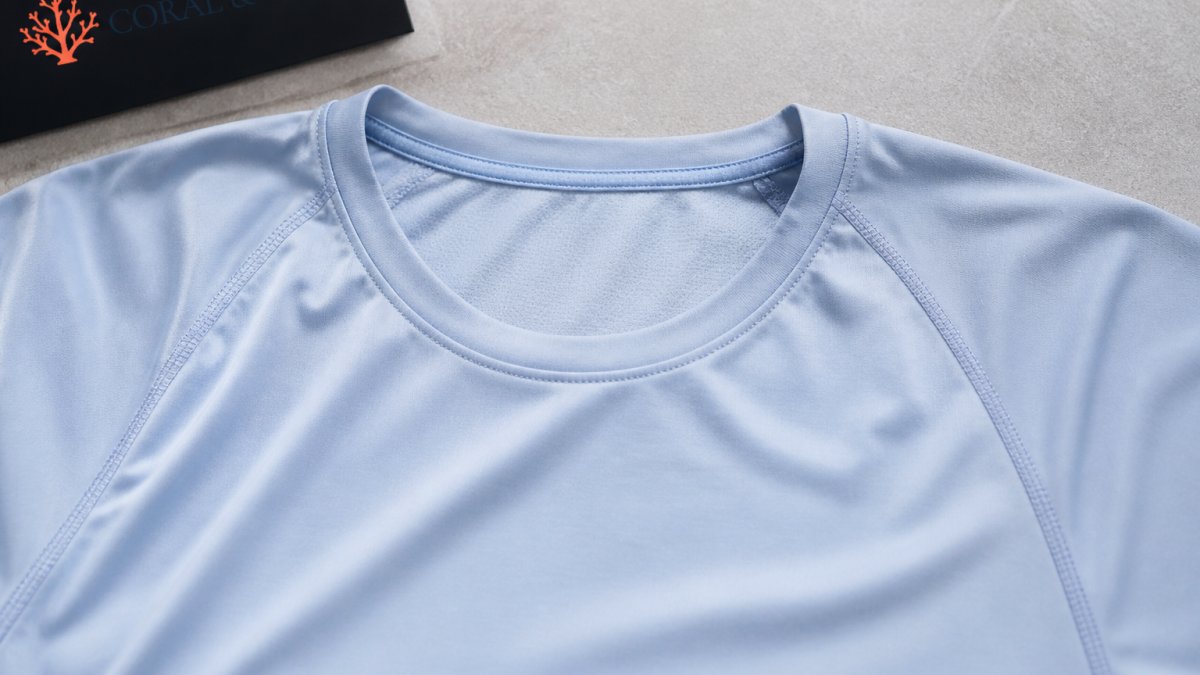
Tagless designs eliminate a major source of irritation. Traditional tags create constant friction against the back of your neck. Tagless construction uses printed logos instead, which feel smooth and won't scratch.
When tags are necessary, check that they're soft and securely attached. Some brands use woven labels instead of printed tags, these feel softer than plastic or stiff printed labels.
Interior seams should be smooth and not protrude. Run your hand along the inside of any potential purchase. Rough or raised seams will irritate sensitive skin during a long fishing session.
Fit and mobility
Tight clothing restricts movement and creates pressure points. Loose clothing allows water to pool and chafe. The fit should be snug enough to stay in place but loose enough to move freely.
Arm holes should sit slightly back on your shoulders rather than riding up toward your neck. This positioning reduces chafing during casting and reeling movements.
Look for articulated cuts that follow your body's natural movement patterns. Gusset panels under the arms allow better movement without excess fabric bunching up.
How to prevent chafing in fishing clothes
Even with the right apparel, chafing can happen during extended fishing trips. Prevention starts with proper fit and fabric choice, but a few additional strategies help.
Moisture management is critical. Sweat and saltwater both increase friction. Wear moisture-wicking base layers under your fishing shirt to pull sweat away from your skin. Merino wool base layers work exceptionally well for this purpose.
Anti-chafe products like body glide or similar balms create a protective barrier on high-friction areas. Apply these to your underarms, shoulders, and anywhere your apparel rubs repeatedly. Reapply after swimming or heavy sweating.
Take breaks during long fishing sessions. Remove wet clothing and let your skin dry. Even 15 minutes out of wet fabric significantly reduces irritation risk.
Consider layering. A thin, moisture-wicking base layer under your UPF shirt adds protection without adding bulk. This approach reduces direct contact between your skin and the outer fabric.
How to wash UPF clothing properly
Improper washing degrades UPF protection and damages sensitive fabrics. Follow these steps to keep your fishing apparel performing season after season.
Temperature and detergent
Use cold water for all washes. Hot water breaks down the UV-blocking compounds in the fabric and can damage synthetic fibres. Cold water preserves the UPF rating and extends garment life.
Choose a gentle detergent designed for technical fabrics. Avoid regular laundry detergent, which contains harsh chemicals and brightening agents that damage UPF fabrics. Look for detergents labelled "sport" or "technical" specifically.
Skip fabric softener entirely. Softeners coat the fabric and reduce breathability. They also degrade the UV-blocking properties over time.
Wash your fishing apparel separately from regular clothing. Zips and rough seams on other garments can snag delicate fishing fabrics.
Drying and storage
Air dry whenever possible. Machine drying creates heat that damages synthetic fabrics and reduces UPF effectiveness. Hang your fishing apparel in a shaded area to dry naturally.
If you must use a dryer, use the lowest heat setting available. Better yet, use an air-only cycle with no heat at all.
Store clean, dry apparel in a cool, dark place. UV light degrades fabrics over time, even when not being worn. A dark wardrobe works better than open shelving near windows.
Fold rather than hang to prevent stretching. Hanging can distort the shape of lightweight fishing apparel, especially after repeated seasons.
Choosing apparel for different water activities
Fishing apparel works across multiple water activities, but specific needs vary by activity type. Understanding these differences helps you choose gear that performs in your particular situation.
Fishing from a boat requires maximum sun protection and ventilation. You're stationary for hours with no shade. Lightweight, breathable UPF 50+ shirts in light colours reflect heat better than dark fabrics.
Kayaking demands apparel that moves with your body. Articulated cuts and stretchy fabrics matter more than for stationary fishing. You need freedom across your shoulders and back.
Sailing involves variable conditions and potential water contact. Quick-dry fabrics become essential. Merino wool dries slower than synthetics, so synthetic blends work better for sailing.
Mixed activities benefit from versatile apparel that performs across multiple scenarios.
Protecting sensitive skin on the water doesn't mean sacrificing comfort or style. The right fishing apparel for sensitive skin combines thoughtful fabric selection, smart construction details, and proper care. Coral & Cord specialises in reef-inspired fishing clothing that delivers all three. When you invest in quality gear designed for life on the water, you're investing in seasons of comfortable, protected fishing. Join the Tide and discover apparel that works as hard as you do.
Frequently Asked Questions
What UPF rating should fishing clothing have?
Look for UPF 50+ clothing for maximum sun protection during extended time on the water. UPF 50+ blocks 98% of ultraviolet radiation. For sensitive skin, higher ratings provide better protection and reduce the need for frequent sunscreen reapplication, which can sometimes irritate skin. Check that the label specifies the UPF rating, as this indicates the fabric has been tested to Australian standards.
Which fabrics are least likely to irritate sensitive skin?
Merino wool blends and high-quality synthetic fabrics like nylon and polyester with smooth finishes work best for sensitive skin. Merino wool naturally regulates temperature and resists odour without harsh chemicals. Avoid heavy cotton, which traps moisture and can cause irritation. Look for fabrics with a soft hand feel and minimal texture when you touch them in-store or online samples.
How do you wash UPF fishing clothing without damaging it?
Wash UPF clothing in cool water (under 30°C) with mild detergent and avoid fabric softeners, which can reduce UV protection. Wash inside out to protect the outer surface. Air dry in shade rather than using a tumble dryer, as heat can degrade the UPF coating. Wash after saltwater use to remove corrosive minerals. Following these steps helps maintain the UPF rating through multiple seasons of use.
Can fishing apparel alone protect sensitive skin from sunburn?
UPF fishing apparel provides significant protection but works best as part of a layered approach. Wear UPF 50+ shirts with long sleeves and consider combining with a hat and sunglasses for comprehensive coverage. For exposed areas and days with intense sun, combine apparel with reef-safe sunscreen. This multi-layer strategy is particularly important for sensitive skin, which can react to sun exposure or sunscreen irritation if either is relied upon alone.