
Is Expensive Fishing Gear Worth It? A Practical Guide
Table of Contents
- What You're Actually Paying For With Expensive Fishing Gear
- Cheap vs Expensive Fishing Rods: Where the Real Differences Show
- Are Expensive Fishing Reels Worth It? Durability and Performance Compared
- Best Fishing Rod and Reel for Beginners: Where to Invest Your Money
- How to Maintain Fishing Gear So It Actually Lasts
- The Long-Term Value Calculation: Premium vs Budget Gear
- Common Mistakes That Make Expensive Gear a Waste of Money
- Frequently Asked Questions
Last Updated: October 14, 2026
What You're Actually Paying For With Expensive Fishing Gear
When you're weighing up whether expensive fishing gear is worth it, you're really asking: what separates the premium stuff from the bargain bin? The answer isn't just marketing. Expensive fishing gear typically features superior materials, refined engineering, and durability that cheap alternatives simply don't offer. But here's where most people get it wrong, they assume higher price always means better performance for their specific needs.
At Coral & Cord, we've watched anglers waste money on premium gear that didn't suit their fishing style, and we've also seen budget gear fail spectacularly after a few months. The truth sits somewhere in between. Premium rods use high-modulus graphite that reduces fatigue during long sessions. Better reels feature sealed bearings that resist salt water corrosion. Quality drag systems maintain consistent pressure without sudden slippage that loses fish.
The real question isn't whether expensive fishing gear is worth it in absolute terms, it's whether it's worth it for your situation. A weekend angler fishing freshwater lakes has different needs than someone targeting saltwater species twice a week. Understanding what you're actually paying for helps you make a decision that won't leave you frustrated or broke.
Cheap vs Expensive Fishing Rods: Where the Real Differences Show
Budget rods use lower-grade graphite blended with fibreglass, which makes them heavier and less responsive. You'll feel every cast differently, and fatigue sets in faster when you're working a rod for hours. The guides, those small rings along the rod, are often made from cheaper materials that corrode or crack under stress.
Expensive fishing rods feature higher graphite content, which means lighter weight and better sensitivity. You can feel subtle bites and bottom structure more clearly. The guides use quality materials like aluminium oxide or silicon carbide that resist wear. The taper is more refined, so the rod loads and unloads more efficiently.
Here's what matters in practice: a budget rod might cost half the price, but it'll wear out faster, feel sluggish, and make your fishing less enjoyable. An expensive rod distributes the stress of casting and fighting fish more evenly along its length, which means fewer breakages over time. If you're fishing more than a couple of weekends per month, the expensive rod pays for itself in durability alone.
That said, if you fish occasionally in freshwater with light tackle, a mid-range rod handles the job perfectly well. The expensive option becomes worth it when you're putting in serious hours or targeting species that demand precision and reliability.
Are Expensive Fishing Reels Worth It? Durability and Performance Compared
This is where expensive gear makes the biggest practical difference. A cheap reel might feel smooth for the first few outings, but the drag system, the mechanism that lets line out under pressure, degrades quickly. Cheap reels use basic drag washers that wear unevenly, causing stuttering or sudden slippage when you're fighting a fish.
Premium reels have sealed drag systems with multiple stacked washers made from materials that resist corrosion and maintain consistent pressure. The bearings are shielded from salt water and sand. The spool turns smoother because the engineering is tighter throughout.
A common mistake is assuming all reels perform the same once you get past the entry level. They don't. An expensive reel from a reputable manufacturer will outlast three cheap reels and perform better during critical moments, when a fish is running hard and your drag needs to give line smoothly without hesitation.
For saltwater fishing especially, the sealed construction of expensive reels becomes essential. Salt water is corrosive, and a cheap reel will seize up within a season if you don't maintain it obsessively. An expensive reel tolerates neglect far better, which matters when you're focused on fishing rather than equipment maintenance.
If you're fishing freshwater once or twice a year, a budget reel works. If you're a regular saltwater angler, expensive is the only sensible choice.
Best Fishing Rod and Reel for Beginners: Where to Invest Your Money
Starting out, you don't need the most expensive gear. You need something reliable that won't frustrate you while you're learning. A mid-range combo, rod and reel together, gives you better value than either extreme.
Look for a reel with a smooth drag system and sealed construction, even if it's not top-tier. A rod with decent graphite content that feels responsive but forgiving. Beginners benefit from slightly more flexible rods because they're easier to cast and less punishing when your technique isn't perfect yet.
The mistake many beginners make is buying the cheapest option to "try it out." Cheap gear feels sluggish and unreliable, which makes learning harder. You'll blame yourself for missed fish when the equipment is actually the problem. Spending a bit more on mid-range gear removes that frustration and lets you focus on developing your skills.
Where beginners should NOT spend heavily: specialty tackle, premium lines, or advanced gear designed for specific techniques you haven't learned yet. Invest in a solid foundation first. Once you know your preferred fishing style and have logged real hours, then upgrade specific components.
How to Maintain Fishing Gear So It Actually Lasts
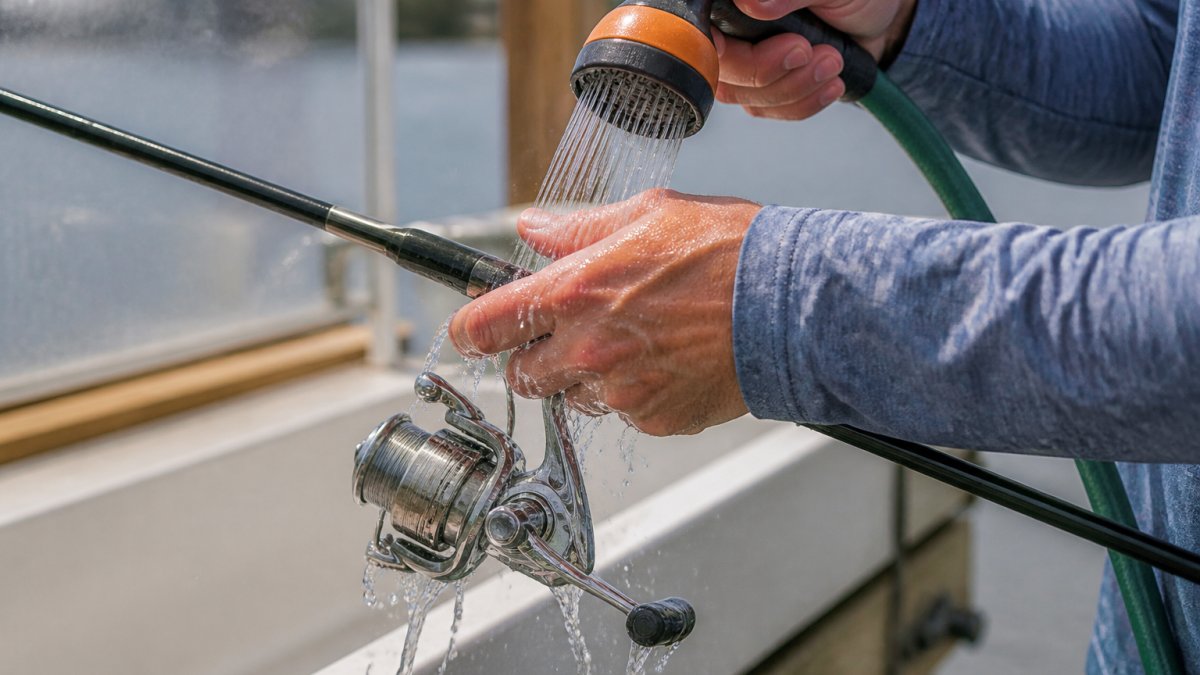
Maintenance is where expensive gear shows its real advantage, it rewards you for looking after it. Cheap gear degrades regardless of how well you maintain it. Quality gear, properly maintained, lasts for years.
After every saltwater session, rinse your rod and reel thoroughly with fresh water. Don't just splash them, run water through the reel's drag system and along the rod guides. Sand and salt corrode everything, and rinsing immediately prevents that damage from setting in. Let them dry completely before storing.
Store your gear in a cool, dry place away from direct sunlight. UV exposure breaks down graphite and degrades line. Keep reels in protective cases. Check your rod guides regularly for cracks or sharp edges, a damaged guide will shred your line and ruin your day.
Lubricate your reel's bearings occasionally with a light oil designed for fishing reels. Don't over-oil; a tiny amount is enough. Replace your line seasonally if you fish regularly. Old line loses strength and becomes brittle, which defeats the purpose of having quality gear.
The discipline of maintenance matters more with expensive gear because you're protecting a genuine investment. But here's the payoff: a well-maintained expensive reel will outlast five cheap ones, even if you're casual about upkeep. The engineering is simply stronger.
The Long-Term Value Calculation: Premium vs Budget Gear
Over five years, what does the maths actually look like? A budget rod-and-reel combo might cost less upfront, but you'll replace it once or twice. You'll lose fish because the drag fails. You'll spend time troubleshooting equipment instead of fishing.
An expensive combo costs more initially but lasts the full five years with just maintenance. You lose fewer fish. You spend more time actually fishing. The cost-per-use drops significantly if you fish regularly.
The break-even point depends on how often you fish. If you're out once a month, an expensive combo pays for itself within two years. If you fish a few times a year, it might take longer, but you'll still come out ahead over five years when you factor in the frustration of unreliable gear.
There's also the intangible factor: confidence. When you trust your gear, you fish better. You take risks you should take. You land fish you might otherwise lose. That's worth something, even if it's hard to quantify.
The real cost of cheap gear isn't just replacement, it's the cumulative frustration and lost opportunity.
Common Mistakes That Make Expensive Gear a Waste of Money
Buying expensive gear that doesn't match your fishing style is the biggest waste. A premium saltwater reel is overkill for freshwater lake fishing. Specialist rods designed for specific techniques you don't use sit in your garage gathering dust. You've paid premium prices for features you'll never need.
Another mistake: buying everything at once. Beginners often kit themselves out completely with expensive gear, then discover they hate one aspect of fishing they thought they'd enjoy. Start with mid-range basics. Upgrade specific components as you develop your preferences.
Neglecting maintenance is the third major error. Expensive gear still corrodes and fails if you don't rinse it and store it properly. You've spent the money; spend the five minutes maintaining it. That's the deal.
Chasing brand names without understanding what you're paying for is equally wasteful. Some premium brands charge for reputation rather than genuine engineering advantages. Research what features actually matter for your fishing type, then find the best value at that specification level. Expensive doesn't always mean better for your specific needs.
Finally, upgrading too frequently is a trap. Once you have solid mid-range or premium gear, keep it for years. The technology isn't changing so fast that last year's model is obsolete. Fishing gear is one category where stability and durability matter more than the latest release.
Whether expensive fishing gear is worth it depends entirely on how seriously you fish and what you're willing to maintain. For casual anglers, mid-range equipment offers the best balance. For regular fishers, especially in saltwater, premium gear pays dividends in reliability and longevity. The key is matching your investment to your actual use, then protecting that investment through proper care.
At Coral & Cord, we understand that fishing apparel and gear are extensions of your commitment to life on the water. Our reef-inspired designs combine durability with style, built for the serious angler who values both performance and aesthetic. Whether you're upgrading your rod and reel or investing in quality fishing clothing that lasts, the principle remains the same: buy once, fish better. Join the Tide and discover gear that rewards your dedication to the water.
Frequently Asked Questions
Does expensive fishing gear actually make you a better angler?
Not directly. Skill, technique, and knowledge matter far more than gear price. However, premium fishing gear reduces frustration and fatigue, which lets you focus on improving your technique. A quality rod with better sensitivity helps you detect bites earlier, which can improve your catch rate. The real advantage is that expensive gear performs consistently, giving you reliable feedback as you learn.
What fishing gear is genuinely worth spending more on?
Rods and reels that match your target species are worth the investment, since they directly affect your ability to land fish. Quality line and leaders also deserve your budget because they prevent lost catches. Sun protection apparel with proven UPF ratings is worth paying for if you spend hours on the water. Conversely, tackle boxes, storage, and decorative items offer little performance gain at higher prices.
Can budget fishing gear perform as well as premium gear?
Budget gear can work for casual fishing, but premium gear typically offers better durability, sensitivity, and consistency. A budget rod might land fish, but it may flex unpredictably or wear out after a season. Premium rods maintain their action longer and handle stress more reliably. For beginners testing the hobby, budget gear is acceptable; for regular fishing, premium gear saves money over time through fewer replacements.
How long should a quality fishing rod last with proper care?
A premium rod maintained well can last 10-15 years or longer. Budget rods typically last 1-3 seasons before guides degrade or blanks crack. The difference comes down to materials and manufacturing tolerances. Freshwater rods last longer than saltwater rods due to corrosion. Proper maintenance, rinsing after use, storing in a rod case, and checking guides regularly, extends the life of any rod significantly.